Microgreens: Fresh, Local, and Grown for You
What Are Microgreens and Their History?
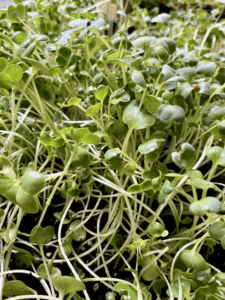
Microgreens are the tender young shoots of vegetables and herbs that we harvest about 7–21 days after germination. Unlike sprouts, which grow in water and include the seed and root, microgreens grow in soil or soil-like mediums and we cut them just above the roots.
The word “microgreens” combines “micro,” meaning small, with “greens,” a common name for leafy vegetables and herbs. Chefs and growers in California first used the term in the 1980s to describe these tiny, flavorful plants that added freshness and color to dishes. The name stuck because it captured both the size and the vibrant green character of the plants.
When we grow a radish microgreen or broccoli microgreen, we use the same seeds as the full-grown radish or broccoli plant. The difference is the stage of growth:
- Microgreens are harvested young, just after the first set of true leaves appear.
- Full-grown vegetables grow for weeks or months, producing a large bulb (radish) or flowering head (broccoli).
Because they come from the same seed, we name microgreens after the vegetable they would eventually become if grown to maturity. That is why we call them radish microgreens or broccoli microgreens, even though they look and taste different from the mature plant.
This distinction matters because microgreens often carry concentrated flavors and nutrients, giving you a taste of the plant’s identity in a much smaller, delicate form.
Chefs in San Francisco and Los Angeles popularized microgreens in fine dining, and by the 1990s, the word began appearing in food magazines, cookbooks, and eventually farmers markets. Today, people everywhere use the word microgreens to describe a wide variety of small, nutrient-packed greens grown locally and enjoyed worldwide.
Why Microgreens Matter
Microgreens bring powerful health benefits in a small package. Studies show they can hold higher levels of vitamins, minerals, and antioxidants compared to their mature plant forms.
- High in nutrients compared to mature plants
- Add fresh, crisp, and flavorful punch to meals
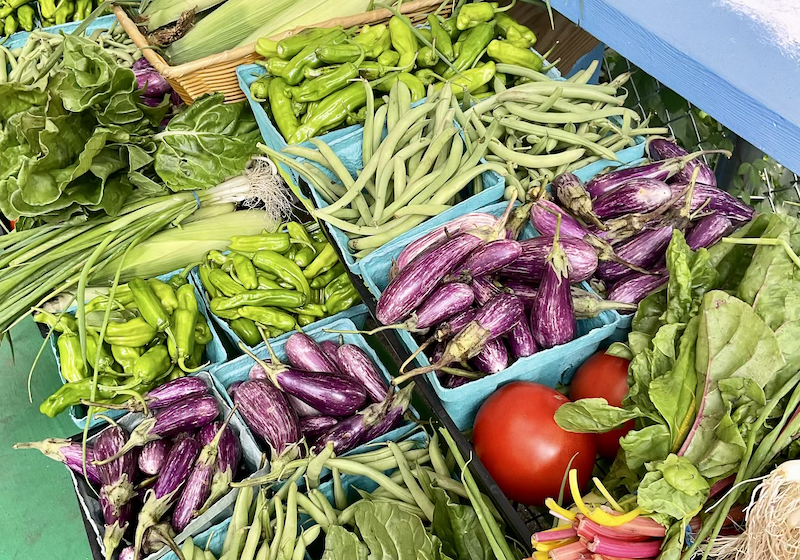
- Support the local food system when purchased from our farmers market or greenhouse
Whether you are trying microgreens for the first time or you are an experienced grower or chef, our markets give you access to affordable, fresh greens every week.
Benefits of Microgreens for Kids
Microgreens help children build healthy eating habits. Their mild flavors and bright colors encourage kids to explore new foods. Through our Kids Club at the farmers market, children taste, smell, and learn how to grow microgreens. When children grow and eat microgreens, they:
- Learn how food grows from seed to plate
- Get excited about eating vegetables
- Gain healthy habits that support their growth and learning
The Community Garden Greenhouse Project
Our community garden greenhouse serves as the center of our microgreens program. Volunteers, interns, and volunteers work together to design, build, and maintain this space. The greenhouse allows us to grow fresh seedlings and microgreens year-round, regardless of the weather.
- Grow seedlings for farmers who sell at local markets
- Produce microgreens even in colder months
- Teach community members about urban farming techniques
- Provide hands-on learning for interns and youth coordinators
References
- Wikipedia: Microgreens – First appeared on menus in San Francisco, California, in the 1980s.
- USDA Research on Microgreens – Microgreens show higher polyphenols and nutrients than mature vegetables.
- Healthline: Microgreens Health Benefits – Nutrient content up to nine times higher than mature greens.
- Bhaswant et al. (2023), Microgreens—A Comprehensive Review – Academic review of bioactive and functional components in microgreens.